
Turnkey Fitout Cost in Australia (2026 Pricing Guide)
Author
Shawn Vandersay
Date Published
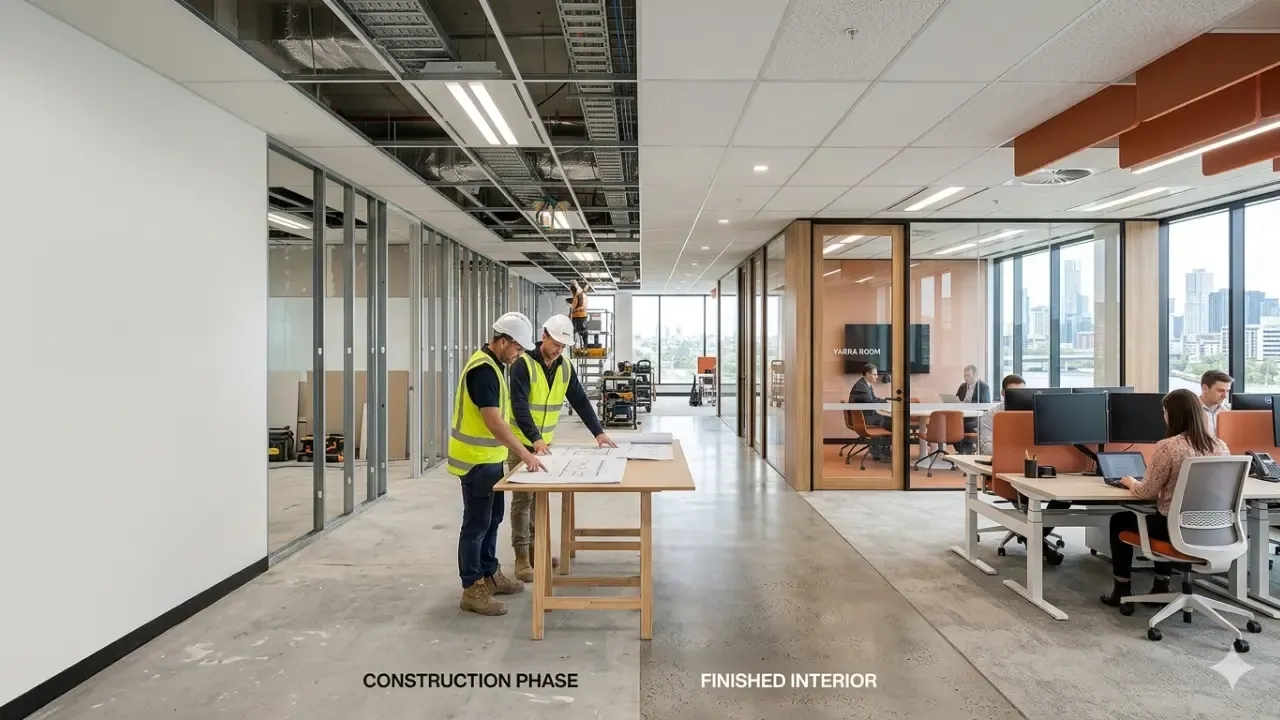
Most Melbourne businesses underestimate fitout costs and face delays that push budgets far beyond initial plans.
Planning a commercial fitout in 2026 is not just about construction. It involves design, approvals, compliance, and coordination. Many businesses focus only on build costs and overlook the full picture.
This guide breaks down real costs, timelines, and risks using current Melbourne data. It also explains how to avoid the most common mistakes.
Fast Facts
- Cost Guide: Turnkey fitout costs in Melbourne vary based on size, finishes, approvals, and site conditions.
- Hidden Risks: Budget blowouts often come from unclear scope, compliance upgrades, and design changes after approval.
- Project Timing: Most commercial fitouts take several weeks to months when design, permits, and construction are combined.
- Downtime Control: Early planning, staged works, and clear scheduling help reduce disruption to daily operations.
- Better Delivery: One coordinated fitout team can improve cost control, reduce delays, and simplify project management.
What Is a Turnkey Fitout and What Does It Include?
Many businesses hear the term turnkey and assume everything is covered. In reality, scope differences create confusion and cost gaps. Understanding what is included helps you avoid disputes and unexpected charges later. A clear scope also improves quote comparison and planning accuracy.
A turnkey fitout means one provider manages the entire project from start to finish. This includes design, approvals, construction, and final handover.
What a Turnkey Fitout Usually Covers
🔸 Space planning and detailed design
🔸 Permits and landlord approvals
🔸 Demolition and site preparation
🔸 Construction and installation
🔸 Services like electrical, HVAC, and plumbing
🔸 Testing, compliance, and handover
What Is Often Not Included
🔸 Furniture and equipment
🔸 IT and security systems
🔸 Major base building upgrades
🔸 End-of-lease reinstatement
Many cost issues come from assuming everything is included. Always confirm scope in writing.
Turnkey Fitout Cost Per Square Metre in Australia (2026)
Cost per square metre is the most common way to estimate fitout budgets. However, many businesses misunderstand how these numbers apply to their project. Melbourne costs vary based on building type, location, and services required. Knowing realistic ranges helps you avoid under budgeting and poor planning decisions.
Melbourne remains one of the higher cost cities for commercial fitouts.
Average Cost Range
🔸 Basic fitout: $800 to $1,200 per sqm
🔸 Mid-range fitout: $1,200 to $1,800 per sqm
🔸 High-spec fitout: $1,800 to $2,800+ per sqm
The Melbourne average sits around $2,535 per sqm for office fitouts in 2026.
Why Melbourne Costs Are Higher
🔸 Labour shortages increase wages
🔸 Strong demand for office upgrades
🔸 Strict compliance requirements
🔸 Complex CBD building conditions
Costs also continue to rise slightly each year due to labour and material pressures.
Real Fitout Cost Examples in Melbourne
Many business owners struggle to translate cost per sqm into real budgets. Project examples provide a clearer picture of what to expect. These estimates help with early planning, lease decisions, and funding approvals. They also highlight how project size and complexity affect total cost and value.
Small Office (100 sqm)
🔸 Estimated cost: $120K to $250K
🔸 Higher cost per sqm due to fixed fees
Medium Office (250 sqm)
🔸 Estimated cost: $400K to $700K
🔸 Balanced cost and efficiency
Large Office (500 sqm+)
🔸 Estimated cost: $900K to $1.4M+
🔸 More complex services and layouts
These are benchmark ranges. Final cost depends on design and site conditions.
Why Fitout Costs Go Over Budget
Budget blowouts are one of the biggest concerns for Melbourne businesses. Most issues start before construction begins. Poor planning, unclear scope, and hidden requirements drive costs higher. Identifying these risks early allows you to control spending and avoid surprises during the project.
Hidden Costs Many Businesses Miss
🔸 Permit and approval fees
🔸 Fire safety and compliance upgrades
🔸 Electrical and HVAC upgrades
🔸 Site issues in older buildings
Design Changes During Construction
Changing layouts mid project creates rework. This can increase costs by 10 to 30 percent and delay completion.
Poor Quote Transparency
Some quotes exclude key items to appear cheaper. Always check what is included and what is not.
How Long Does a Turnkey Fitout Take in Melbourne?
Timeframes are often underestimated, especially by first time project owners. Many expect construction to be the main phase, but approvals and design take significant time. Understanding the full timeline helps you plan business operations and avoid costly delays.
Typical Timeline Breakdown
🔸 Planning and feasibility: 1 to 3 weeks
🔸 Design stage: 4 to 8 weeks
🔸 Approvals and permits: 2 to 6 weeks
🔸 Construction: 6 to 20 weeks
🔸 Handover: 1 to 2 weeks
Most fitouts take 3 to 6 months from start to finish.
What Causes Delays
🔸 Waiting for approvals
🔸 Late design decisions
🔸 Material supply issues
🔸 Poor contractor coordination
Delays increase both cost and business downtime.
Key Factors That Affect Fitout Cost
Fitout costs are influenced by multiple variables, not just size. Businesses often focus on finishes but overlook services and compliance costs. Understanding these factors helps you prioritise spending and make informed design decisions that align with your budget.
Size and Layout
🔸 Open layouts cost less
🔸 Complex layouts require more work
Level of Finishes
🔸 Standard finishes keep costs lower
🔸 Custom joinery and branding increase cost
Services and Infrastructure
🔸 HVAC and electrical upgrades add cost
🔸 Older buildings often need major upgrades
Compliance Requirements
🔸 Fire systems
🔸 Accessibility standards
🔸 Building code compliance
Ignoring these leads to delays and rework.
Melbourne Regulations You Must Understand
Regulations are a major part of any commercial fitout. Many businesses only realise this after delays occur. Compliance affects design, cost, and timeline. Understanding local Melbourne requirements early helps you avoid approval issues and project interruptions.
Common Approvals Required
🔸 Planning permits if needed
🔸 Landlord approvals
Compliance Areas
🔸 Fire safety systems
🔸 Accessibility standards
🔸 Workplace safety
Failure to meet these requirements can stop your project. It can also lead to fines or expensive rework.
How to Compare Fitout Quotes Properly
Many businesses choose contractors based on price alone. This often leads to problems later. Comparing quotes correctly helps you understand value, not just cost. A detailed comparison reduces risk and improves project outcomes.
What a Good Quote Should Include
🔸 Full scope breakdown
🔸 Design and documentation
🔸 Construction details
🔸 Compliance costs
🔸 Timeline and milestones
Red Flags to Watch
🔸 Very low pricing
🔸 Missing details
🔸 No clear exclusions
🔸 No timeline
Always compare quotes based on scope, not just price.
How to Reduce Business Downtime
Business downtime can affect revenue, staff productivity, and customer experience. Many companies do not plan for this properly. Reducing disruption requires early planning and smart scheduling. This is critical for offices, retail spaces, and clinics.
Practical Ways to Reduce Disruption
🔸 Stage the construction work
🔸 Schedule after hours work
🔸 Use temporary office setups
🔸 Lock design decisions early
Many delays come from waiting on approvals or changes. Planning ahead helps keep your business running.
Turnkey vs Multiple Contractors
Choosing the right project delivery method affects cost, time, and risk. Many businesses try to manage multiple contractors to save money. This often leads to coordination issues and delays. Understanding the difference helps you choose the right approach.
Problems With Multiple Contractors
🔸 Miscommunication
🔸 Delays between trades
🔸 Budget confusion
Benefits of Turnkey Fitouts
🔸 Single point of contact
🔸 Better coordination
🔸 Clear responsibility
🔸 Faster project delivery
This approach reduces both cost risk and delays.
Cost vs Time: What Matters More?
Balancing cost and time is a common challenge for business owners. Trying to rush a project can increase costs. Delays can also impact rent and revenue. Understanding this balance helps you plan more effectively.
Key Trade Offs
🔸 Faster builds increase labour cost
🔸 Delays increase rent and lost revenue
The goal is balance, not speed.
Also Read
If you are still deciding on the right approach for your space, this guide on office renovation vs fitout explains which option suits your business goals, budget, and timeline.
Final Checklist Before Starting Your Fitout
A clear checklist helps avoid common mistakes and keeps your project on track. Many issues occur because key steps are missed early. Following a structured approach improves cost control and reduces risk.
Pre Project Checklist
🔸 Set a clear budget
🔸 Allow 10 to 15 percent contingency
🔸 Finalise design before construction
🔸 Understand approvals early
🔸 Choose a reliable contractor
These steps reduce both cost and stress.
Planning a Fitout in Melbourne?
Starting a fitout project can feel complex, especially with cost and timeline pressures. Working with the right approach simplifies the process. Clear planning and coordination make a significant difference in project success.
A well planned fitout saves time, money, and effort. It also keeps your business running smoothly.
Many problems come from unclear scope, poor planning, and fragmented contractors.
Finex Fitouts works with Melbourne businesses to manage the full process from design to handover. Their approach helps reduce delays, control costs, and simplify the entire project.
If you are planning a fitout, getting the strategy right from the start makes the biggest difference.
FAQs
-
What is the average turnkey fitout cost in Melbourne in 2026?
Most office fitouts cost around $2,500 per sqm, but final pricing depends on design, services, and building conditions. -
How long does a turnkey fitout take in Australia?
A full fitout usually takes 3 to 6 months, including design, approvals, and construction stages. -
What causes budget blowouts in fitout projects?
The main causes are hidden costs, late design changes, unclear quotes, and unexpected site issues.
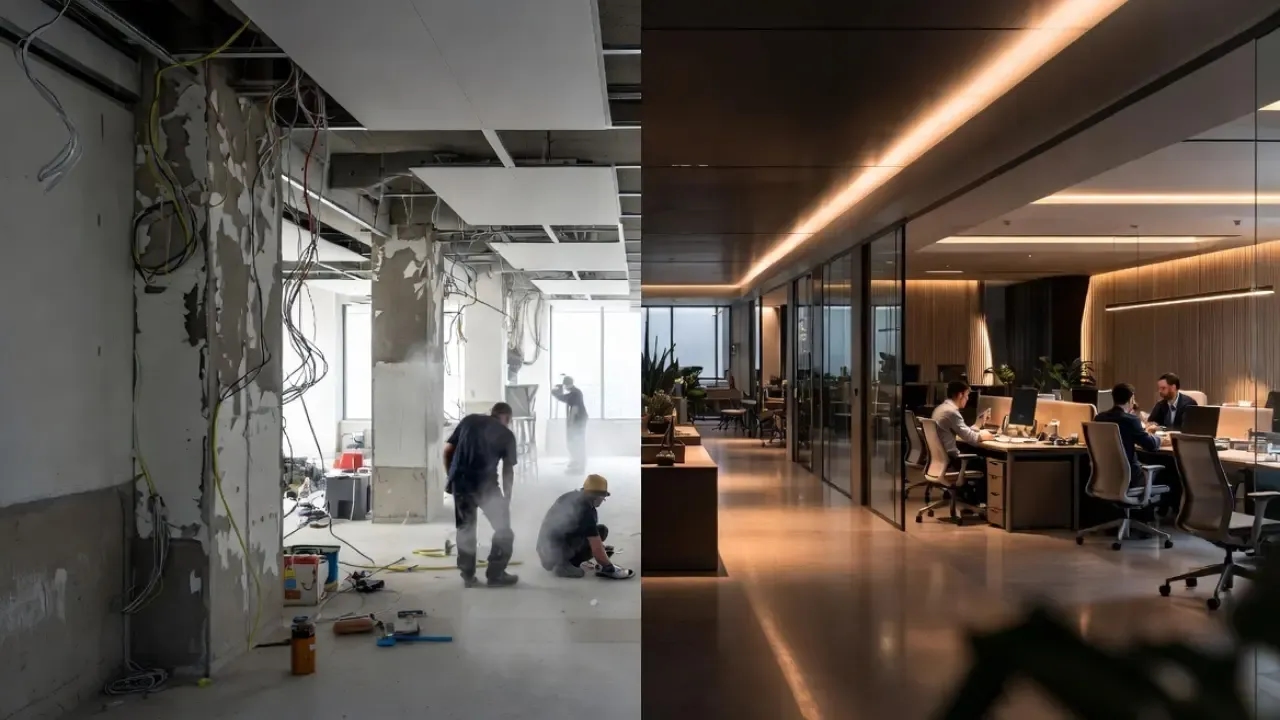
Confused about office renovation vs fitout? Learn costs, timelines, and how to choose the right option for your business.