
Are Turnkey Fitouts More Cost-Effective Than Hiring Trades?
Date Published

Turnkey fitouts are often more cost-effective for commercial projects with many moving parts. This includes offices, clinics, retail stores, showrooms, and warehouses.
The main saving does not always come from the lowest labour rate. It often comes from fewer delays, fewer gaps in scope, and less time spent managing contractors.
For simple work, hiring separate trades can cost less. For complex work, a turnkey fitout usually gives better cost control.
🔸 Choose separate trades for small, simple upgrades.
🔸 Choose turnkey fitouts for projects with design, permits, services, and several trades.
🔸 Compare the full cost, not only the first quote.
Fast Facts
- Best for complex projects: Turnkey fitouts suit offices, clinics, retail spaces, and warehouses with several trades.
- Cheaper for simple work: Separate trades can cost less for small upgrades like paint, flooring, or minor repairs.
- Hidden costs matter: Delays, rework, approvals, and downtime can make separate trades more expensive.
- Melbourne checks are important: Confirm permits, landlord rules, compliance, services, and make-good obligations early.
- Compare full scope: The most cost-effective quote is the one that clearly includes design, trades, supervision, and handover.
What Is a Turnkey Fitout?
A turnkey fitout is a complete fitout service managed by one provider. The aim is to hand over a finished space that is ready to use.
This can include design, planning, construction, trade coordination, site supervision, compliance checks, and final handover.
For a Melbourne business, this matters because commercial fitouts often involve more than visible finishes. Electrical work, lighting, flooring, partitions, ceilings, plumbing, fire services, data cabling, access, and signage may all need coordination.
A turnkey provider usually manages:
🔸 Site inspection and scope planning
🔸 Layout and design coordination
🔸 Trade scheduling and supervision
🔸 Building and compliance requirements
🔸 Defects, handover, and practical completion
This single point of contact can save time for owners and managers. It also reduces confusion when something changes during the job.
When Separate Trades Can Cost Less
Hiring trades directly can work well when the job is small and easy to define. It can also suit owners who already understand building work.
For example, you may only need new carpet, paint, minor shelving, or a few workstation changes. In that case, a full turnkey process may add management cost you do not need.
Separate trades may suit:
🔸 Small cosmetic upgrades with no layout change
🔸 Simple painting, flooring, or minor repair work
🔸 Jobs where no approvals or service changes are needed
🔸 Owners who can manage schedules and quality checks
The risk is that each trade only prices its own part. If the painter, electrician, flooring installer, and partition contractor are not coordinated, gaps can appear.
Those gaps can create extra call-out fees, rework, and delays. A cheap quote can become expensive once the full project is underway.
Where Turnkey Fitouts Save Money
Turnkey fitouts can save money by reducing hidden costs. These costs often appear after work starts.
According to the JLL 2025 Australia and New Zealand Fit-Out Cost Guide, fitout costs have increased across Australia and New Zealand due to labour, material, and supply pressures.
That makes planning more important. When several trades price work separately, no one may carry full responsibility for the final outcome.
A turnkey team can reduce cost risk through:
🔸 Clearer scope before work starts
🔸 Better sequencing between trades
🔸 Fewer site delays and return visits
🔸 One team managing defects and changes
🔸 Less business downtime during the project
Downtime can be one of the biggest hidden costs. A retail store that opens two weeks late can lose sales. A clinic that cannot use treatment rooms loses bookings. An office with unfinished services loses staff productivity.
Turnkey fitouts help by planning the job around business needs. This may include staged works, after-hours access, or faster handover for critical areas.
Related Insight
If you want to lower fitout costs without cutting useful scope, learn how to reduce fitout costs using existing infrastructure in Melbourne.
Cost Risks Melbourne Businesses Should Check
Melbourne commercial fitouts can involve approvals, landlord rules, and building requirements. These items can affect both cost and timing.
Planning Victoria explains that a planning permit is not the same as a building permit. Some projects may need both. You should check this before changing the use of a site or starting major works.
Useful checks include the Victorian planning permit process, the National Construction Code, and workplace guidance from WorkSafe Victoria.
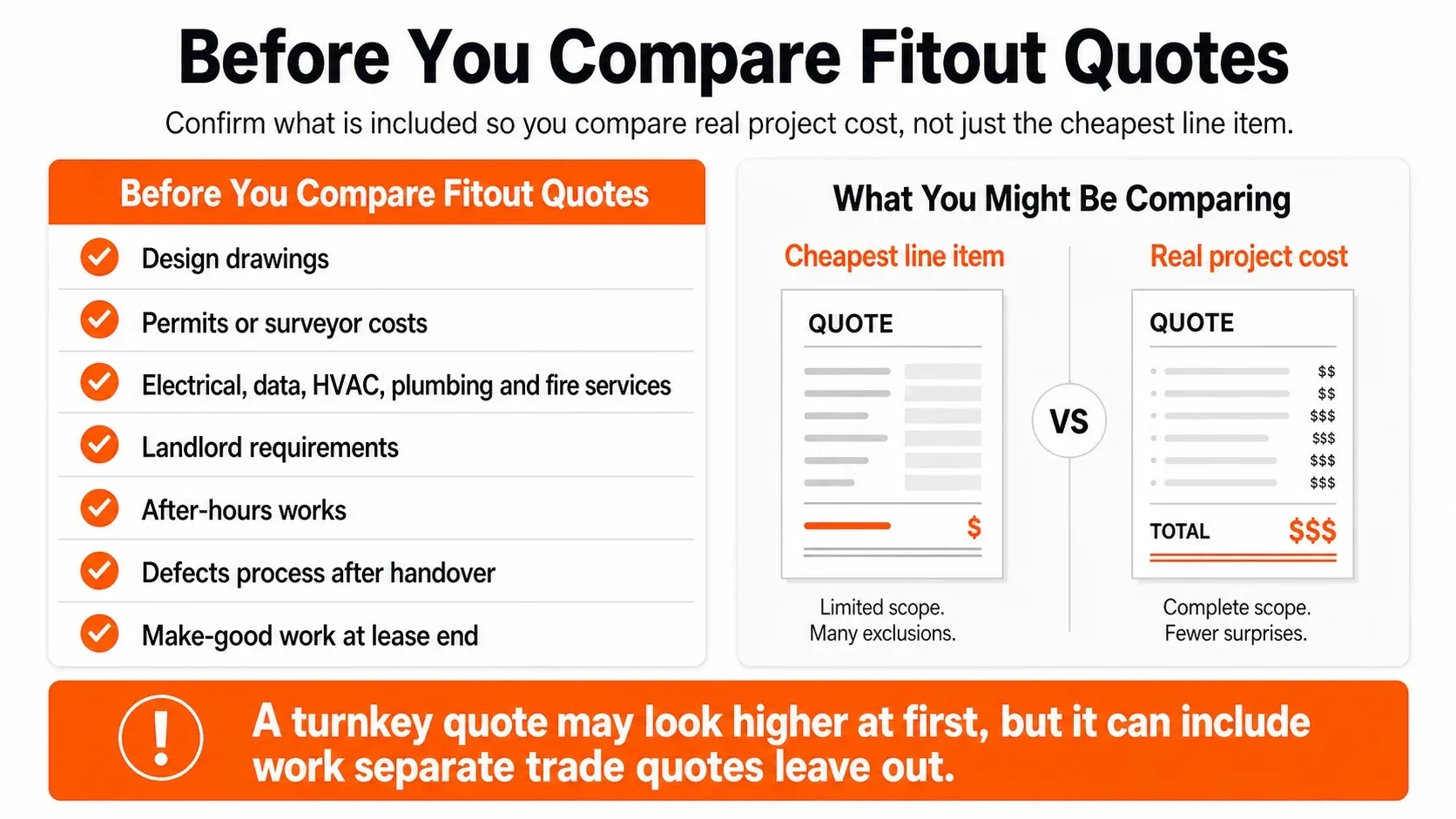
Before comparing fitout quotes, check what each provider includes so you compare real project cost, not just the cheapest line item.
How to Choose the Right Fitout Approach
The right choice depends on risk, time, and project complexity. Do not choose based on price alone.
If your project affects layout, services, compliance, or trading hours, a turnkey fitout often gives better control. If your job is small and simple, separate trades may be enough.
Use this simple guide:
🔸 Use separate trades if the scope is small, clear, and low risk.
🔸 Use a turnkey fitout if the project needs several trades.
🔸 Use a turnkey fitout if delays will affect sales, bookings, or staff output.
🔸 Use a turnkey fitout if you need help with planning, approvals, and handover.
For many Melbourne businesses, the more cost-effective option is the one that protects the total budget. It should also protect opening dates, staff time, customer experience, and compliance.
Finex Fitouts helps business owners plan commercial fitouts with clear scope, practical staging, and end-to-end project management. If you are comparing quotes, start by checking what each option includes and what risks remain with you.
Frequently Asked Questions
Are turnkey fitouts usually cheaper than hiring separate trades?
Turnkey fitouts are not always cheaper upfront, but they can reduce total project cost by managing scope, trade coordination, approvals, defects, and delays under one provider.
When should a Melbourne business choose separate trades?
Separate trades can suit small, simple upgrades such as painting, flooring, or minor repairs where the scope is clear and no major service changes or approvals are needed.
What should be included in a commercial fitout quote?
A commercial fitout quote should clearly list design drawings, permits, services, landlord requirements, after-hours works, defects support, handover steps, and any make-good obligations.
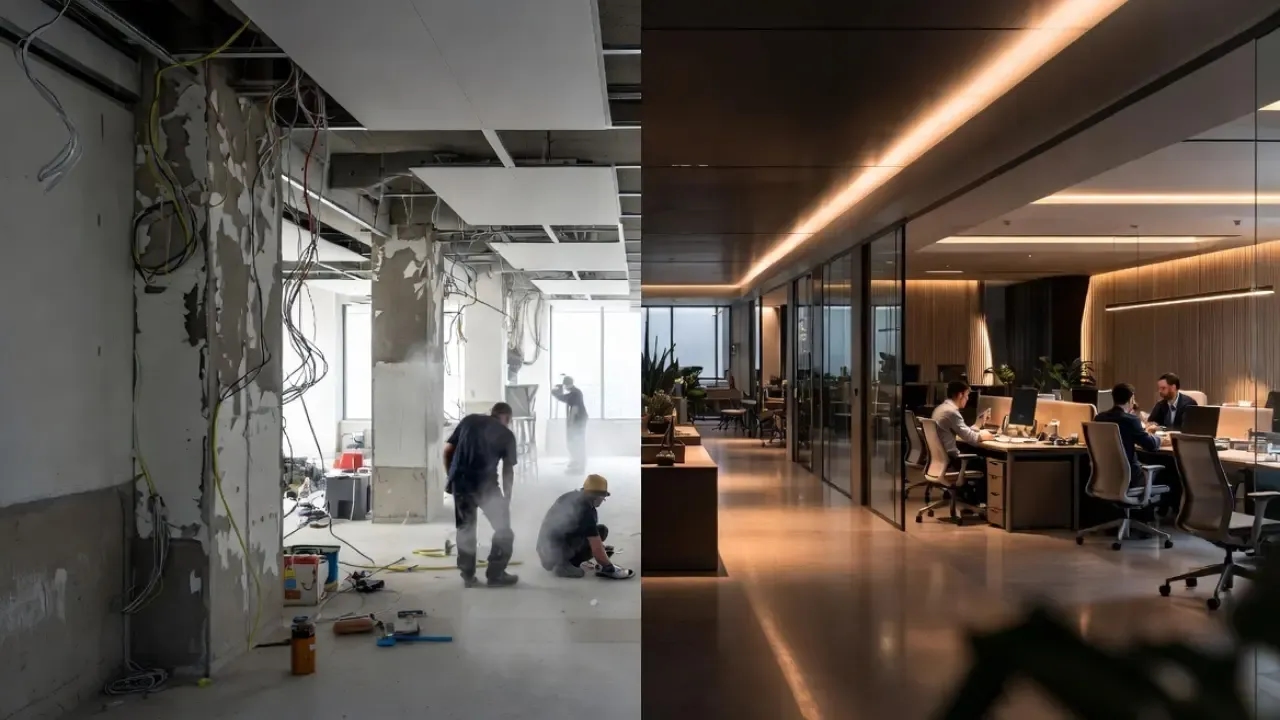
Confused about office renovation vs fitout? Learn costs, timelines, and how to choose the right option for your business.
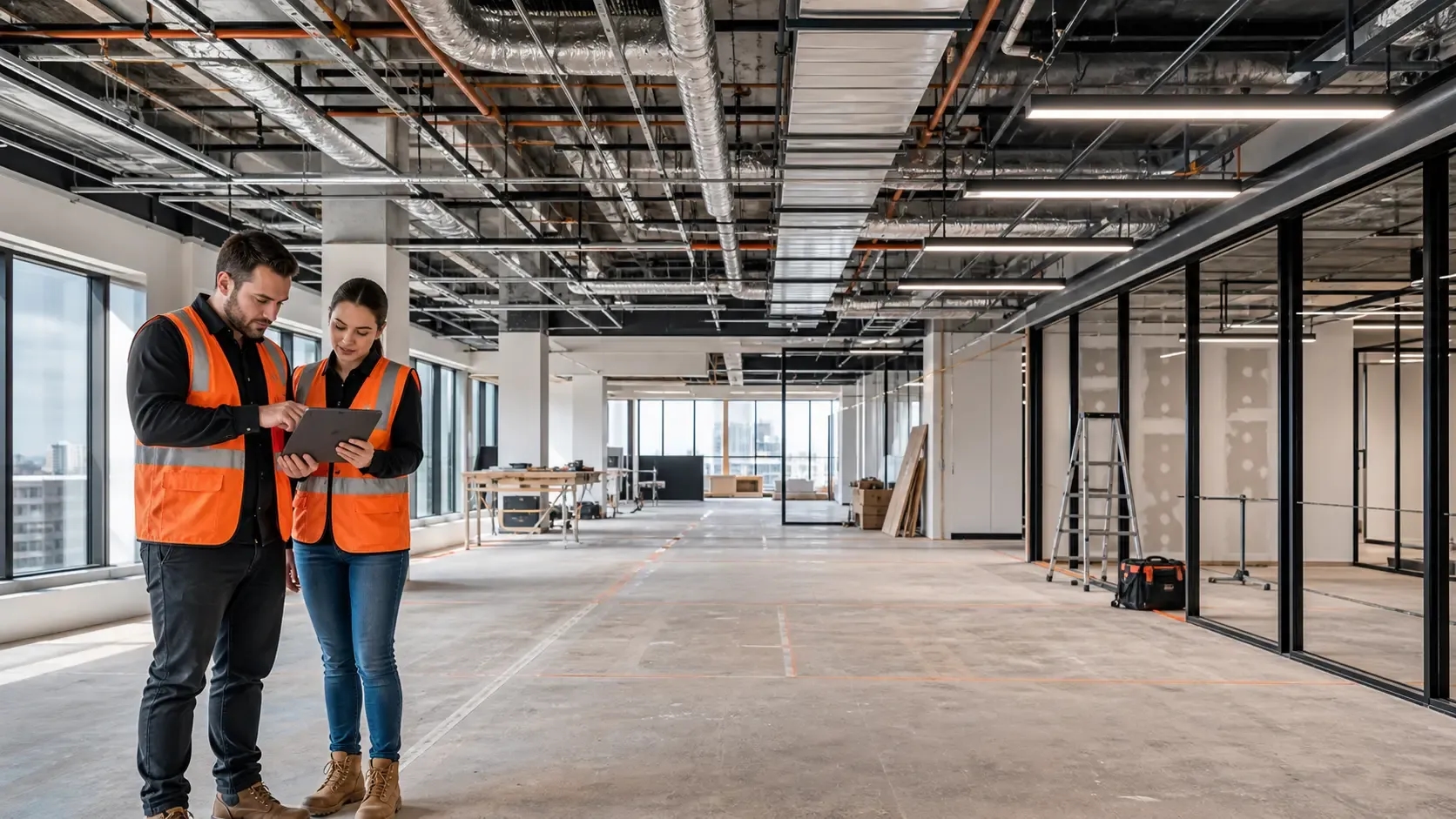
Learn how Melbourne businesses can reduce fitout costs by reusing existing infrastructure safely, avoiding delays, and planning smarter.