
Common Fitout Delays and How to Avoid Them
Date Published
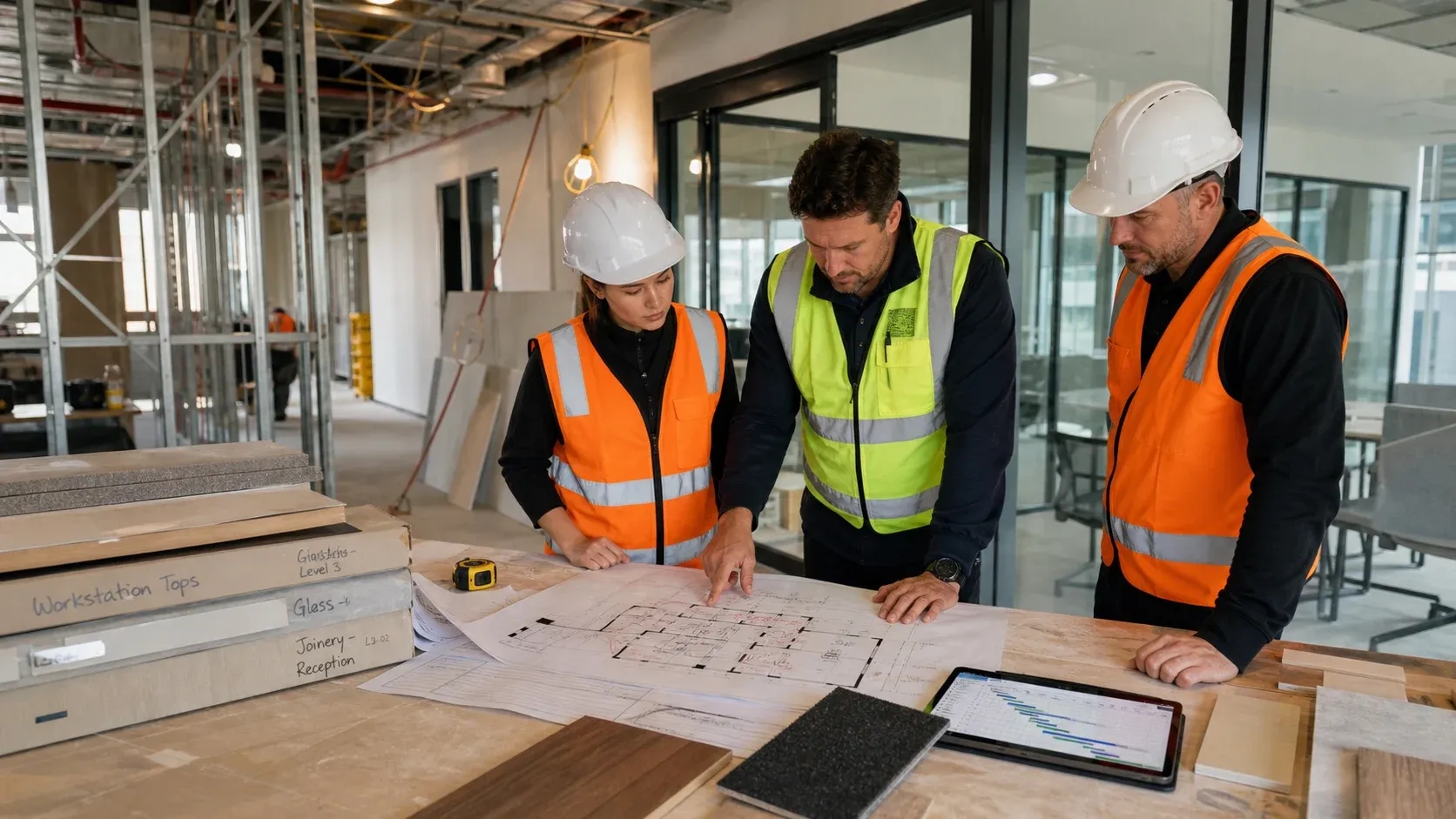
A delayed fitout can affect rent, staff, customers, and cash flow. For many Melbourne businesses, the real cost is not only the builder's invoice.
It can also include lost trading time, extra storage, double rent, and pressure on the team.
Most delays do not come from one major mistake. They often come from small decisions made too late.
🔸 Unclear project scope
🔸 Slow landlord or permit approvals
🔸 Late design changes
🔸 Long-lead materials
🔸 Trade clashes
🔸 Building access limits
Fast Facts
Quick insight: Most fitout delays start with unclear scope, late approvals, or rushed product choices.
- Approvals matter: Check landlord consent, permits, NCC requirements, and building rules before work starts.
- Design must be settled: Late layout or finish changes can delay several trades at once.
- Lead times add pressure: Joinery, glass, flooring, lighting, and fixtures may need early ordering.
- Access can slow work: CBD lifts, loading docks, noise rules, and after-hours limits need early planning.
- One project manager helps: Clear coordination reduces trade clashes and business downtime.
Approval And Compliance Delays
Approvals can slow a fitout before anyone starts on site. In Melbourne, some projects may need landlord approval, building permits, planning checks, fire services review, accessibility input, or building surveyor sign-off.
This is common in offices, retail shops, clinics, warehouses, and buildings with shared services.
A change in use can also create extra checks. For example, turning a standard tenancy into a medical clinic may affect plumbing, access, ventilation, and room layouts.
Start by checking building permits, landlord rules, and whether the project needs a planning review through the responsible authority.
🔸 Landlord fitout guide and consent process
🔸 Building permit needs
🔸 Planning permit risks
🔸 NCC building classification
🔸 Fire, exit, access, and amenities requirements
🔸 Building manager rules for work hours and access
Design, Scope, And Selection Delays
Fitout work moves faster when the design is clear. Delays often appear when construction starts before the layout, services, finishes, and budget are properly settled.
A small change can have a large effect. Moving a wall may affect lighting, sprinklers, air conditioning, power, data, flooring, and joinery.
A late bench finish can delay manufacturing. A delayed tapware choice can hold up plumbing rough-in.
Before site work starts, confirm the layout, finishes, joinery, equipment, signage, services, and staging plan.
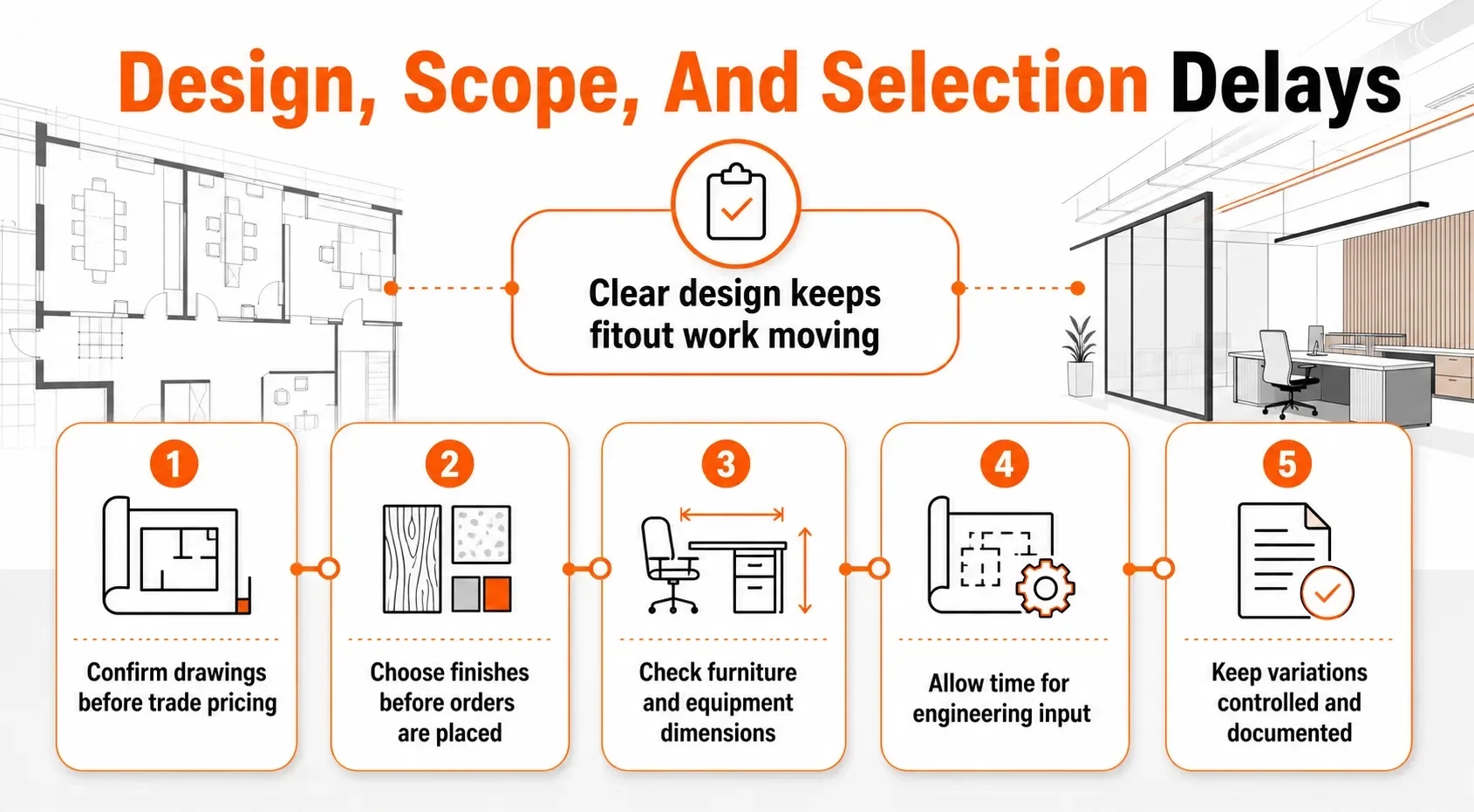
Clear drawings, early finish selections, checked dimensions, engineering input, and documented variations help keep fitout projects moving.
Supply, Trade, And Site Access Delays
Many fitout materials need lead time. Joinery, glass, specialist flooring, lighting, workstations, medical fixtures, and warehouse components may not be available at short notice.
Trade sequencing also matters. Electricians, plumbers, plasterers, painters, flooring installers, joiners, and mechanical contractors often depend on each other.
If one trade is delayed, the next trade may lose its booking. This can push the whole program back.
Melbourne sites can add extra pressure. CBD buildings may have limited loading zones, lift bookings, noise controls, and after-hours rules.
Retail centres and medical buildings may restrict work during trading hours. Warehouses may need clear zones so operations can continue safely.
🔸 Order long-lead items early
🔸 Book lifts, loading docks, and after-hours access
🔸 Sequence trades before work starts
🔸 Check site access before delivery dates
🔸 Make sure site workers meet safety requirements, including construction induction training
Related Insight
Planning beyond handover can help reduce disruption and protect your investment, so it is worth reading what happens after your fitout is completed before finalising your project timeline.
How To Keep The Fitout Moving
The best way to avoid delays is to plan the fitout like a live business project, not only a building job.
That means clear decisions, one point of control, and a realistic program. It also means allowing time for approvals, supply, and site constraints.
Start with a detailed brief. Include how your team works, what customers need, what equipment must fit, and when the space must open.
Then check approvals, access, product lead times, and business downtime risks. The National Construction Code can also affect the way a commercial space is designed and approved.
🔸 Prepare a clear scope before pricing
🔸 Confirm permits and landlord approvals early
🔸 Use one project manager for trade coordination
🔸 Build a risk register for delays
🔸 Hold short weekly progress updates
🔸 Plan staged work if the business must stay open
Planning A Smoother Fitout
Fitout delays can be reduced when the right checks happen early. The key is to settle the scope, confirm approvals, order long-lead items, and manage trades through one clear program.
Finex Fitouts helps Melbourne businesses plan and deliver office, retail, clinic, warehouse, and commercial fitout projects with fewer avoidable surprises.
If you are planning a new fitout or upgrade, early advice can help protect your timeline, budget, and business operations.
Fitout Delay FAQs
What causes most commercial fitout delays?
Most commercial fitout delays come from late approvals, unclear scope, design changes, long-lead materials, and poor trade coordination. In Melbourne, building access, lift bookings, and after-hours rules can also affect timelines.
How can I avoid delays before my fitout starts?
Confirm the layout, finishes, budget, permits, landlord approval, and long-lead items before site work begins. A clear brief and one project manager help reduce missed decisions and trade clashes.
Do Melbourne fitouts need permits?
Some Melbourne fitouts need building permits, planning checks, landlord consent, or building surveyor input. The need depends on the building, tenancy use, scope of work, and compliance requirements.
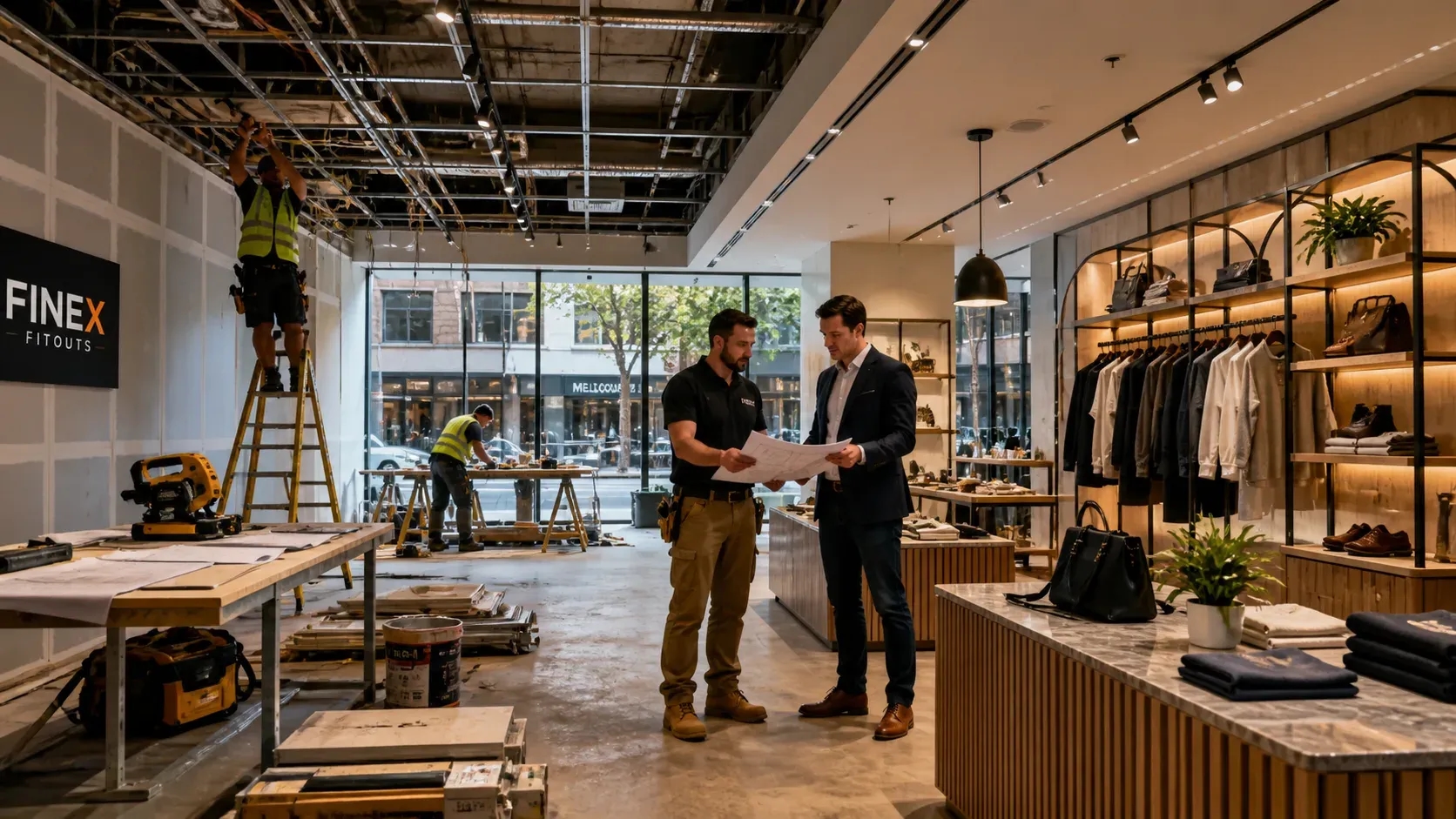
Retail fitout cost Australia guide for 2026. Learn real prices, timelines, risks, and how Melbourne businesses can avoid costly mistakes.

Learn how fitout permits and approvals work in Melbourne, who handles them, and what to check before work starts.