
Retail Fitout Cost in Australia: What Businesses Should Expect in 2026
Author
Shawn Vandersay
Date Published
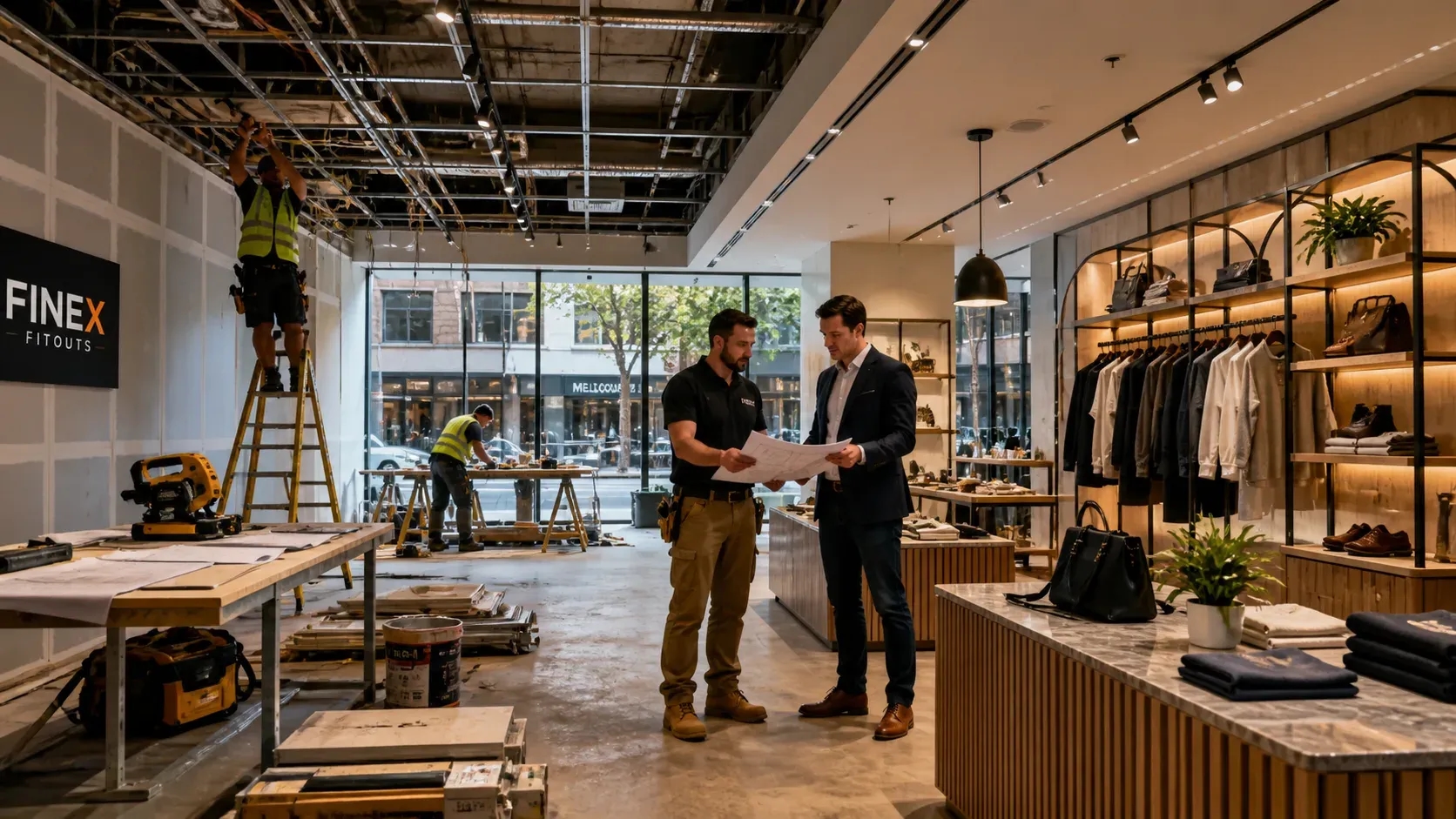
A retail project often starts with a simple goal. Open the store on time and within budget. But the reality is different. Costs rise because early decisions are made without full information. Missing details around permits, services, and layout create problems later.
The focus is usually on construction cost alone. This ignores hidden expenses that appear during the project. As a result, budgets stretch and timelines shift.
Understanding the full process early helps avoid these issues. Clear planning reduces stress and keeps the project on track.
Fast Facts
- Retail fitout costs vary: Melbourne projects can range from simple updates to complex custom builds.
- Hidden costs matter: Permits, compliance, signage, and service upgrades can change the final budget.
- Timelines need planning: Approvals, materials, and contractor coordination often affect opening dates.
- Location affects price: CBD sites may cost more due to access limits and stricter building rules.
- Early planning helps: Clear design, scope, and project management reduce delays and cost surprises.
What Is the Average Retail Fitout Cost in Australia?
Retail fitout costs are not fixed. Two stores of the same size can have very different budgets. Design choices, services, and location all affect the final cost. In Melbourne, labour and compliance requirements often push costs higher than expected.
Knowing realistic price ranges helps businesses plan with confidence and avoid under-budgeting.
Cost Per Square Metre Breakdown
🔸 Basic fitout: $400 to $800 per sqm
🔸 Mid-range fitout: $800 to $1,800 per sqm
🔸 High-end fitout: $1,500 to $3,000+ per sqm
Most retail projects fall into the mid-range category. These include custom finishes, lighting, and branded elements.
Melbourne projects often sit between $1,200 and $3,000+ per sqm depending on complexity.
This means even small design upgrades can quickly increase the total cost.
Real Cost Example for Melbourne Businesses
🔸 100 sqm shop: $80,000 to $180,000+
🔸 200 sqm shop: $200,000 to $400,000+
🔸 Premium stores: $500,000 or more
CBD locations can add 10 to 30 percent due to access limits and stricter rules.
This difference shows why early budgeting must include location factors, not just size.
What Factors Increase Retail Fitout Costs the Most?
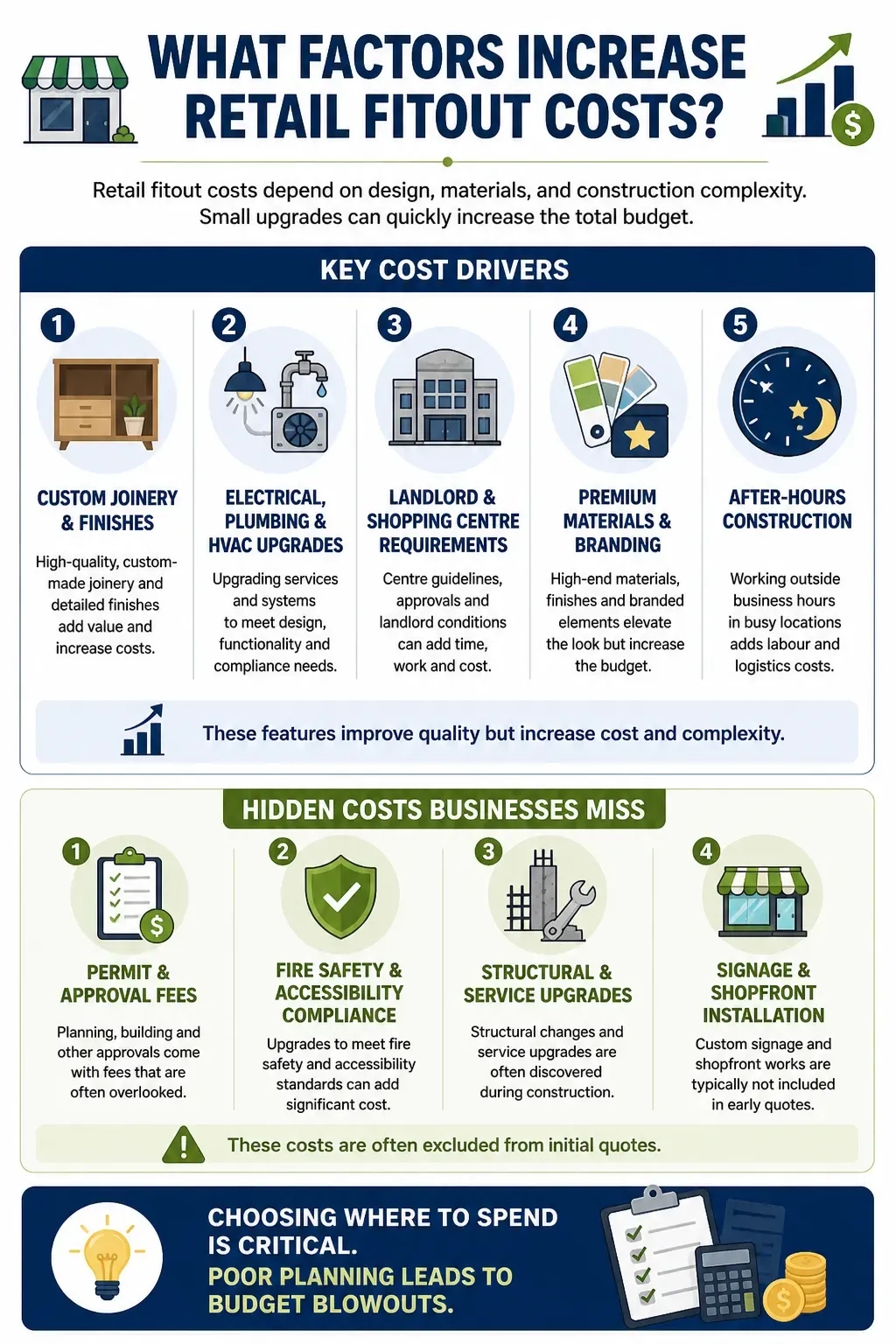
Key cost drivers and hidden expenses that impact retail fitout budgets in Australia, explained in a simple visual guide
Cost is not only about how big the shop is. It is driven by how the space is designed and built. Features that improve brand image often increase cost at the same time. Without clear priorities, budgets can grow quickly.
Understanding these cost drivers helps make smarter trade-offs during planning.
🔸 Custom joinery and detailed finishes
🔸 Electrical, plumbing, and HVAC upgrades
🔸 Landlord and shopping centre requirements
🔸 Premium materials and branding elements
🔸 After-hours construction in busy locations
Each of these items adds value but also increases complexity. Choosing where to spend becomes a key decision.
Hidden Costs Business Owners Miss
🔸 Fire safety and accessibility compliance upgrades
🔸 Structural changes and service upgrades
🔸 Signage and shopfront installation
These items are often excluded from initial quotes. That is why budgets feel accurate at first but change later.
Why Retail Fitout Budgets Blow Out
Budget issues usually build over time. Small changes during the project create larger problems later. Layout changes, unclear scopes, and rushed decisions all increase cost.
Fixing problems after construction starts is always more expensive than planning properly from the beginning.
🔸 Changing layouts during construction
🔸 Signing leases without cost checks
🔸 Incomplete or unclear quotes
🔸 Poor coordination between contractors
🔸 Material price changes
These issues often happen together, which makes the impact even bigger.
How Much Can Costs Increase?
Costs can rise by 15 to 30 percent without proper control. Unexpected site issues can increase this further.
How to Prevent Budget Blowouts
🔸 Finalise design before construction starts
🔸 Use detailed drawings and scope documents
🔸 Allow a contingency budget of 10 to 20 percent
🔸 Choose experienced fitout professionals
Taking these steps early helps avoid expensive changes later.
Related Insight
Before planning your retail project, compare turnkey fitout vs traditional fitout to understand which approach may reduce delays, coordination issues, and cost risks.
How Long Does a Retail Fitout Take in Melbourne?
Construction is only one part of the timeline. Most delays happen before work begins. Approvals, design revisions, and material sourcing can slow the project down.
Planning the full timeline helps avoid last-minute pressure and lost revenue.
Typical Timeline Breakdown
🔸 Small projects: 4 to 8 weeks
🔸 Medium projects: 6 to 12 weeks
🔸 Large projects: 12 weeks or more
Full Project Timeline Stages
🔸 Concept and design planning
🔸 Detailed drawings and approvals
🔸 Procurement of materials
🔸 Construction and installation
🔸 Final inspection and handover
What Causes Delays
🔸 Late permits and approvals
🔸 Design changes during construction
🔸 Material supply delays
🔸 Poor contractor coordination
Managing these risks early keeps the project moving forward.
Permits and Regulations You Must Know in Australia
Approvals are often overlooked at the start. This creates delays once the project begins. In Melbourne, requirements vary depending on the building and location.
Understanding these rules early avoids costly rework and project interruptions.
🔸 Planning permits for certain changes
🔸 Building permits for structural work
🔸 Fire safety and accessibility compliance
🔸 Signage approvals
Each approval takes time, so it must be included in the schedule.
Plan Your Retail Fitout the Right Way
Retail fitout costs often increase because of poor planning, unclear quotes, and missed requirements. These issues lead to delays, budget stress, and lost revenue.
Working with the right team helps avoid these problems from the start. A structured approach improves coordination and reduces risk.
Finex Fitouts supports Melbourne businesses with design, construction, and project management in one process. This helps avoid cost surprises, reduce delays, and keep projects on track from start to finish.
Retail Fitout FAQs
How much does a retail fitout cost in Australia in 2026?
A retail fitout in Australia can cost from $400 to $3,000+ per sqm, depending on design, materials, services, and location. In Melbourne, CBD sites often cost more due to access limits, labour rates, and compliance needs.
What hidden costs should Melbourne businesses plan for?
Common hidden costs include permit fees, fire safety upgrades, accessibility compliance, signage, structural changes, service upgrades, and landlord requirements. A 10 to 20 percent contingency helps reduce budget stress.
How long does a retail fitout take in Melbourne?
A small retail fitout may take 4 to 8 weeks, while medium projects often take 6 to 12 weeks. Larger or more complex Melbourne fitouts can take longer, especially when approvals, custom materials, or landlord requirements are involved.
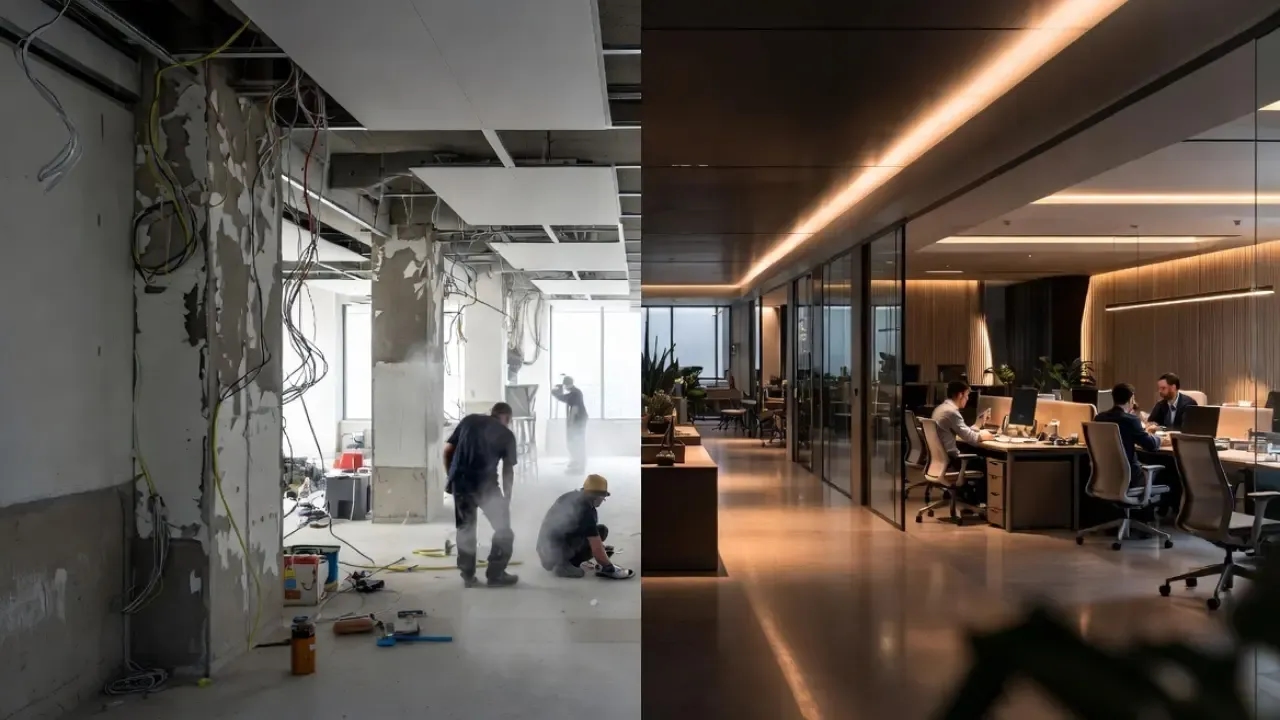
Confused about office renovation vs fitout? Learn costs, timelines, and how to choose the right option for your business.
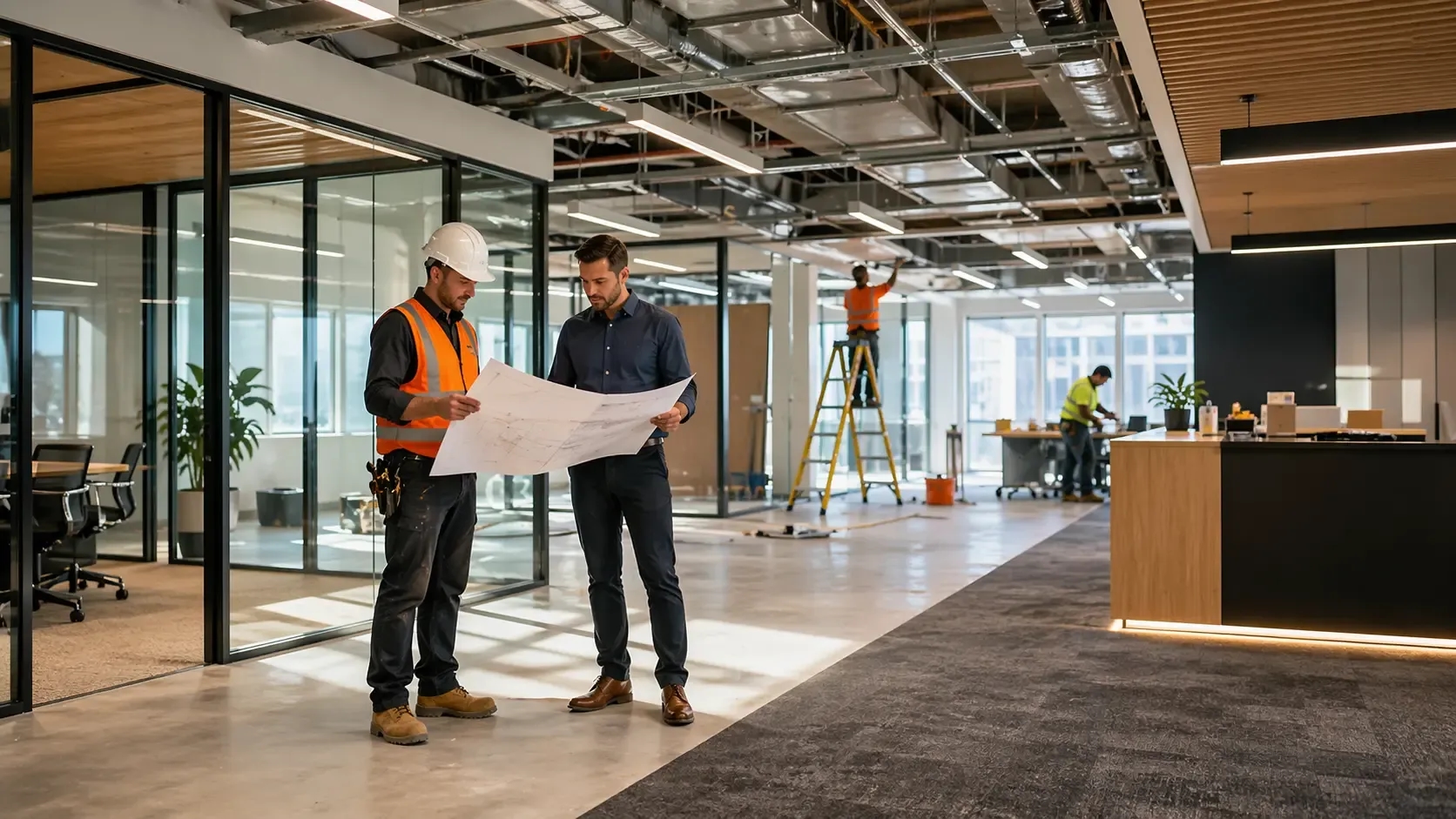
Learn what a turnkey fitout includes, Melbourne costs, timelines, risks, and how to avoid delays and budget blowouts.